The 90-Second Window: Why Bet Timing Is the Most Underrated Edge in Sports Wagering

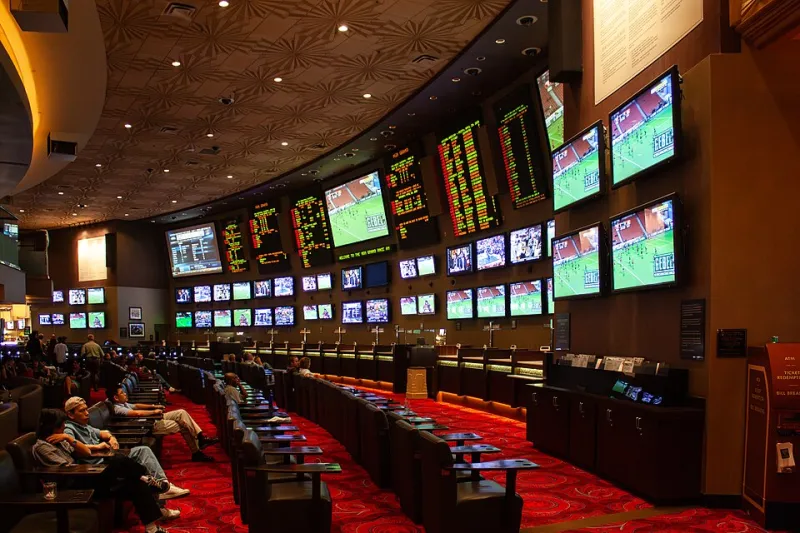
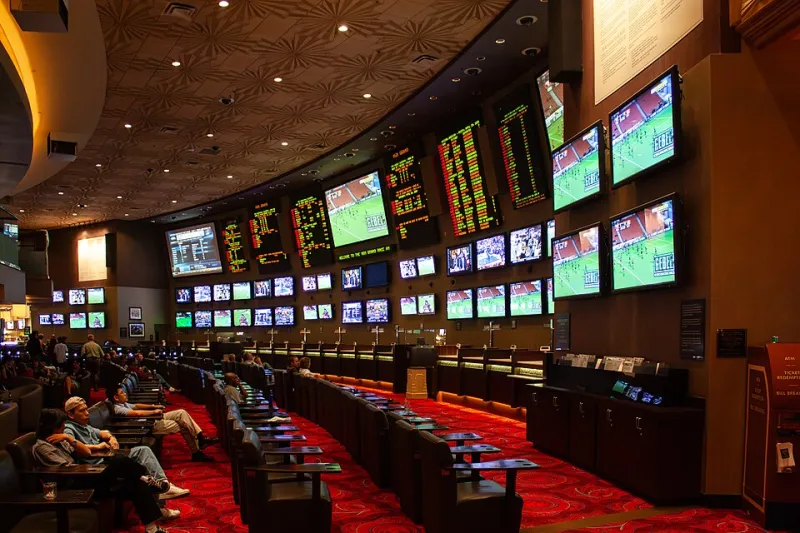
Photo: Akosua-Asamoabea Ampofo, CC BY-SA 4.0, via Wikimedia Commons
Every serious bettor eventually hits the same wall. They do the research, find what looks like a solid number, place the bet — and then notice two hours later that three other books have already moved the line in the exact direction they predicted. The pick was right. The edge was real. But the timing was off, and half the value evaporated before the slip even settled.
Welcome to the timing game. It's one of the least discussed and most impactful variables in long-term sports betting, and at HR99 NhaCai, we think it deserves a serious breakdown.
Lines Are Never Static — And the Gap Between Books Is Real
Here's something the casual bettor often misses: sportsbooks don't all move their lines at the same speed. Not even close.
There's a well-understood hierarchy in the US market. Books like Pinnacle (accessible to many US players through offshore or international accounts) and a handful of sharp-facing domestic operators tend to set the market. When a large sharp bet hits one of those books and the line moves, the rest of the market — your DraftKings, FanDuel, Caesars, BetMGM — typically follows. But not instantly.
That lag — the window between when a sharp book moves and when the recreational-facing books catch up — can range from about 30 seconds on a high-profile NFL Sunday game to several minutes on a Tuesday night college basketball total. That window is real money.
A half-point on a spread might seem trivial. But in a sport like NFL football, where games frequently land on key numbers like 3, 7, and 10, that half-point difference in a point spread can shift the theoretical win probability by 2-4 percentage points. At scale, across hundreds of bets per year, that's not nothing. That's the difference between a losing record and a profitable one.
The Technology Arms Race
This isn't news to the books. Sportsbooks have been investing heavily in the technology infrastructure required to speed up their line adjustments. Automated feeds, algorithmic pricing models, and real-time monitoring of competitor lines have all compressed the timing window significantly over the past five years.
Major US operators now use betting market surveillance tools that flag sharp activity within seconds. Some have deployed machine learning systems that anticipate line movement based on betting patterns before a large bet even fully processes. The arms race between sophisticated bettors and the books' defensive tech is ongoing — and in many ways, the books are winning at the macro level.
But here's the thing: they can't close every gap, on every game, every day. The sheer volume of markets — hundreds of props, totals, and alternate lines across every sport simultaneously — means inefficiencies persist. The timing window has narrowed, but it hasn't disappeared.
Multiple Accounts Are the Foundation
You can't exploit timing windows with a single account. That's the baseline reality. If you're operating with one app on your phone, you're reactive by definition — you'll always be shopping a line after it's already been adjusted somewhere.
Serious bettors in legal US states maintain accounts across every available regulated book in their jurisdiction. In a state like New Jersey or Pennsylvania, that might mean six to eight active accounts. In a newly regulated state with fewer operators, maybe three or four. The point is that when you identify a number you want, you're checking multiple prices simultaneously and submitting to the best available line before the market consensus catches up.
This is called line shopping, and while the concept is simple, the timing dimension elevates it from basic hygiene to genuine strategy.
How to Systematize the Timing Play
Here's a practical framework that disciplined bettors use to capture timing value:
1. Know your hierarchy. Understand which books in your state tend to move first versus which ones lag. This takes a few weeks of observation, but the pattern becomes clear. Sharp-facing books move faster. Recreational-heavy books with looser limits often lag by 60-90 seconds or more.
2. Set up your accounts in advance. Have your apps open and accounts funded before you start your research session. The worst version of this play is finding a great line and then scrambling to deposit money while the number moves.
3. Watch the sharp books as a signal. Even if you can't bet at certain books due to state restrictions, you can monitor their lines as a leading indicator. When Pinnacle or a similar market-setter moves a line, that's your signal to check the recreational books immediately.
4. Submit fast, verify after. When you see your target number at a lagging book, submit first and double-check the slip details after. Many bettors lose timing value by over-reviewing before submitting. The line won't wait.
5. Track your timing misses. Keep a log of bets where you got the number you wanted versus bets where you submitted and got a worse line than expected. Over time, this data will tell you exactly where your timing process is leaking value.
Quantifying the Annual Impact
Let's put some real numbers on this. Suppose you're placing 300 bets per year across NFL, NBA, and college football. On roughly 20% of those bets — 60 plays — you have a legitimate timing opportunity where a lagging book is still showing a half-point or more of extra value versus the market consensus.
On a standard -110 bet, a half-point of spread value is worth roughly 1.4-1.8% in expected value, depending on the sport and the specific number. At an average bet size of $200, that's about $2.80-$3.60 in EV per bet. Across 60 timing opportunities per year, you're looking at $168-$216 in additional expected value — just from submitting 45 seconds faster.
Scale the bet sizes up, and that number scales linearly. A $500 average bet size across the same scenario generates $420-$540 in additional annual EV. That's real money for doing nothing differently except being more deliberate about when you click submit.
The Discipline Factor
Here's the part most articles skip: timing discipline is psychologically hard to maintain. When you're excited about a game, the natural impulse is to get your bet in and then go watch. The idea of carefully monitoring multiple apps, tracking line movements, and waiting for the right submission window feels tedious compared to just locking in your pick.
But this is exactly where recreational bettors and serious players diverge. The sharp bettor treats timing as part of the process, not an afterthought. It's the same mindset that separates a disciplined poker player from a recreational one — the pro thinks about every decision point, including the ones that feel boring.
Win Big by Playing the Clock
At HR99 NhaCai, we talk a lot about playing smart. This is one of the clearest examples of what that means in practice. The 90-second window isn't glamorous. It doesn't make for exciting content on a sports betting Twitter account. But it's one of the few genuine, repeatable edges available to a disciplined recreational bettor in the modern US market.
The books are fast. But they're not perfect. And in the gap between their speed and yours, there's real value waiting to be captured — if you're paying attention.